One month since setup. No water test today—just a visual observation day. And what we observed was… unexpected.
Population Explosion
Remember those bladder snail eggs we tried to remove on Day 24? We missed some.
Today’s count:
- ~6 baby bladder snails: Tiny, translucent, actively grazing
- 2 baby ramshorn snails: A new species! Must have come on the replacement plants
- Countless tiny specks: Copepods and other microfauna everywhere
Our tank has secretly been building its own cleanup crew.
The Decision: Keep Them All
After some debate, we decided to embrace our hitchhikers rather than fight them:
Bladder snails: Yes, they breed prolifically. But they’re also excellent at eating algae, biofilm, and decomposing plant matter. With our current algae bloom, we need all the help we can get.
Ramshorn snails: Slower breeders than bladder snails. They eat the same things. Welcome aboard.
Copepods: These tiny crustaceans are 100% beneficial. They eat detritus and will become live food for our future fish.
The hitchhikers won’t reproduce significantly for 6-8 weeks (they need to mature first). By then, our tank should be established and we can manage populations if needed.
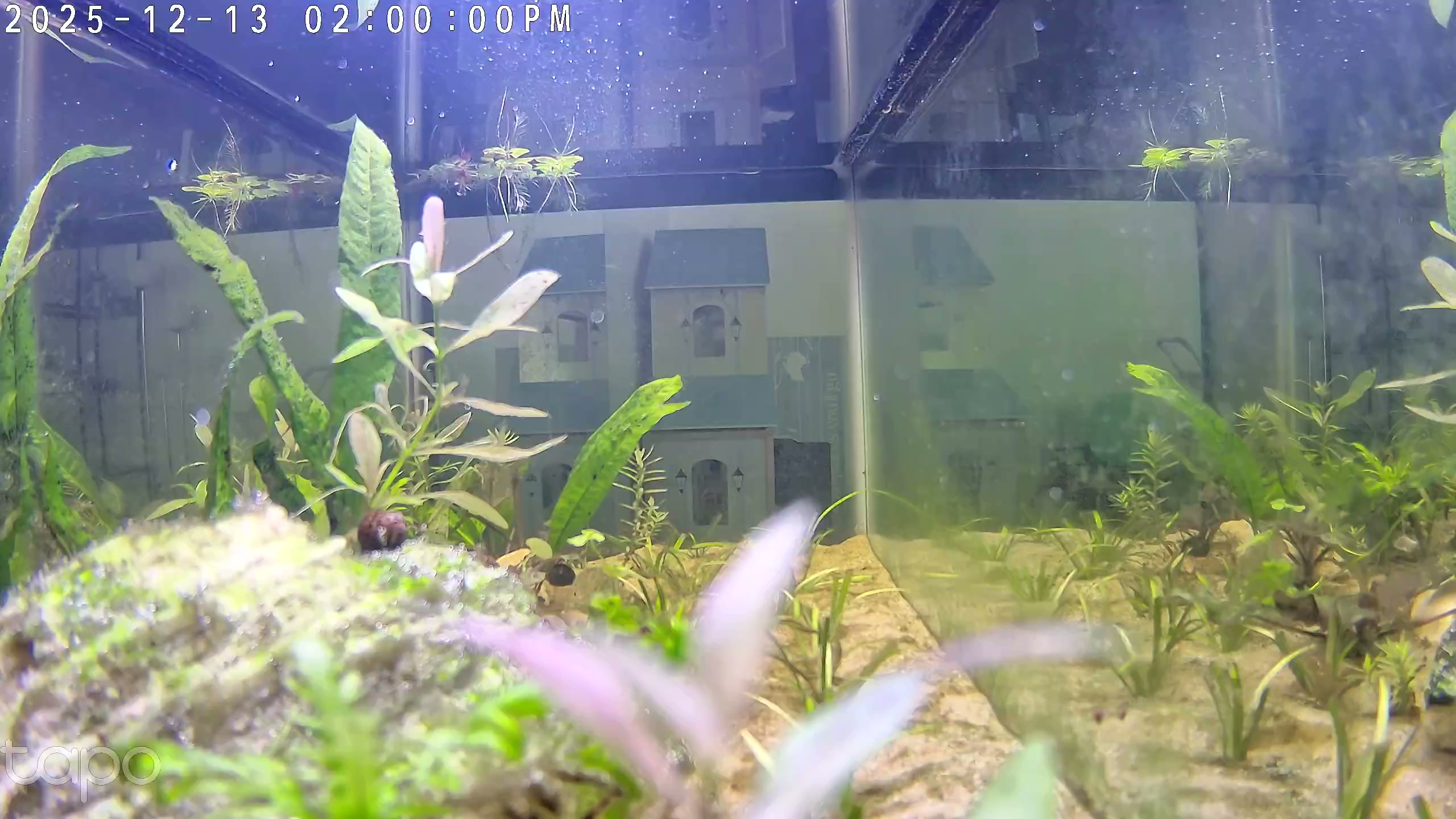
Day 30 - One month in, and we have an unexpected cleanup crew
Detritus Worms Spotted
New discovery: small white/translucent worms on the glass near the substrate. These are detritus worms, and despite looking alarming, they’re beneficial:
- They eat decaying organic matter
- They’re harmless to fish, plants, and shrimp
- They’re common during cycling when there’s extra organic material
- Their population will decrease naturally as the tank stabilizes
Another sign of a developing ecosystem.
Visual Tank Assessment
Water clarity: Surprisingly clear despite the algae bloom
Plant health:
- Water Lettuce: Looking excellent, spreading
- Dwarf Sagittaria: Thick carpet developing (10-15 visible plants)
- Left side stem plants: Healthy green growth
- Some plant melt visible (expected from new additions)
Algae: Green film on glass from the fertilizer incident. Snails are working on it.
Substrate: Light brown diatom film—normal for cycling tanks
A Month In: Perspective
Thirty days ago, this was an empty glass box. Now it contains:
- 45+ plants (minus losses, plus replacements)
- 3 Nerite snails
- ~6 bladder snails (and growing)
- 2 ramshorn snails
- Copepods, detritus worms, and other microfauna
- Established bacterial colonies
The ecosystem is alive. Not perfect, not finished, but alive and developing. That’s the Walstad dream materializing.
Status: Day 30 - Hitchhiker snails discovered and welcomed - Microfauna explosion (good sign!)